
Our Life Story Approach
Midlife offers a particular vantage point from which to look at our lives. There is a rich history behind us — experiences, relationships, choices and turning points that have shaped who we are — while there may still be decades of life ahead.
Our Life Story approach brings creativity, conversation and mindfulness into this exploration, engaging the mind, body and heart. Our stories live in all of these places — in what we remember, what we feel, what our bodies hold and the meanings we have made from our experiences. By exploring our stories in different ways, we can look back with a new perspective, take stock of where we are now and gain greater clarity about how we want to live in the years ahead.
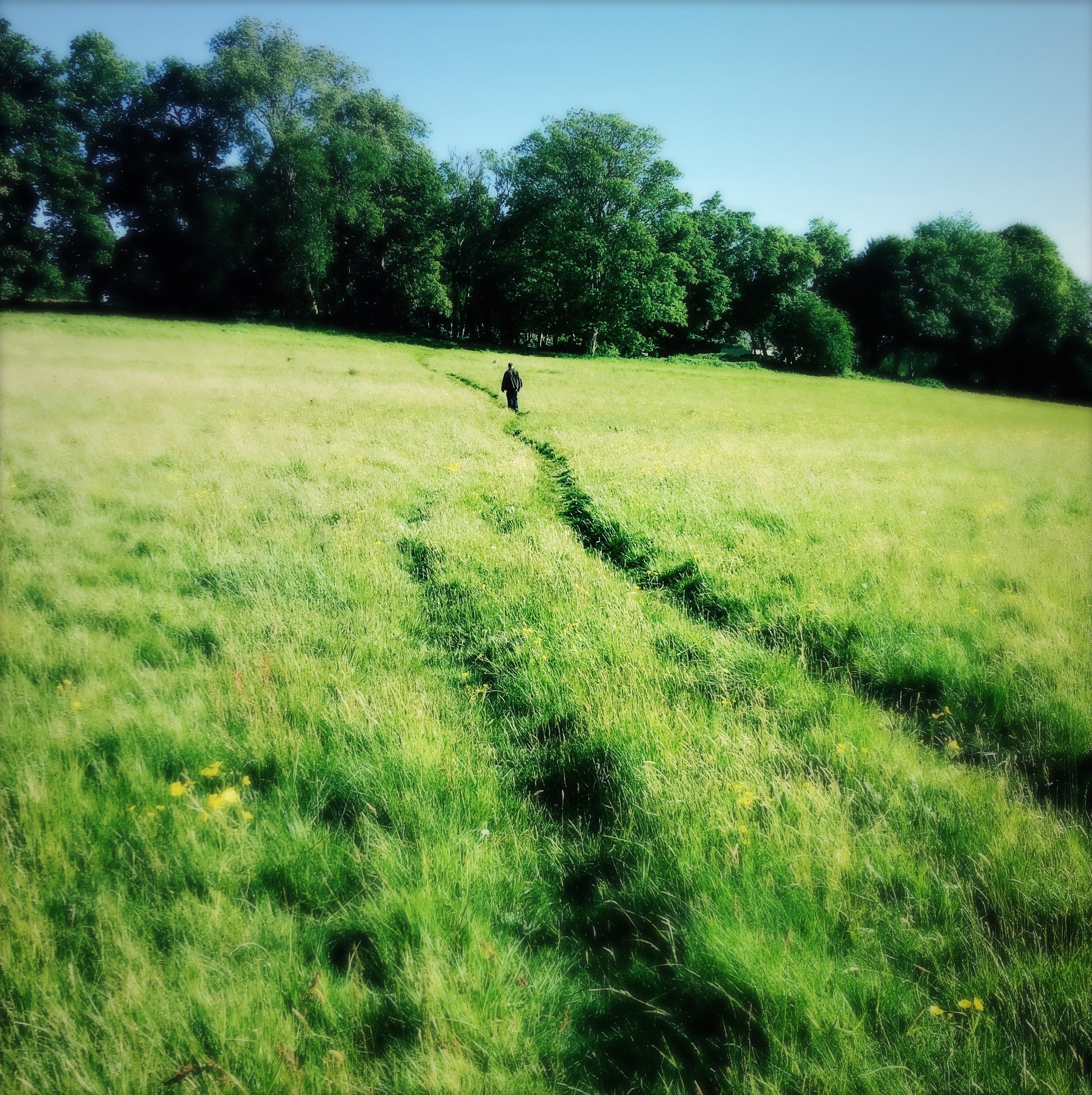
Taking time to look back can help us understand where we are now.
We may recognise patterns that have shaped us, revisit choices we have made, acknowledge regrets or losses, or reconnect with parts of ourselves that have been forgotten or set aside.
Stories we have carried about ourselves for many years can look different from where we stand now.
This is where new possibilities can begin to emerge.
By giving attention to what has been, what is present now and what we may want for the years ahead, we can begin to see more clearly what matters, what we want to carry forward and what we may be ready to let go of.
We offer a steady, confidential and non-judgemental space, with a carefully designed structure that supports a small group throughout the week.
Midlife Reflections - Alison
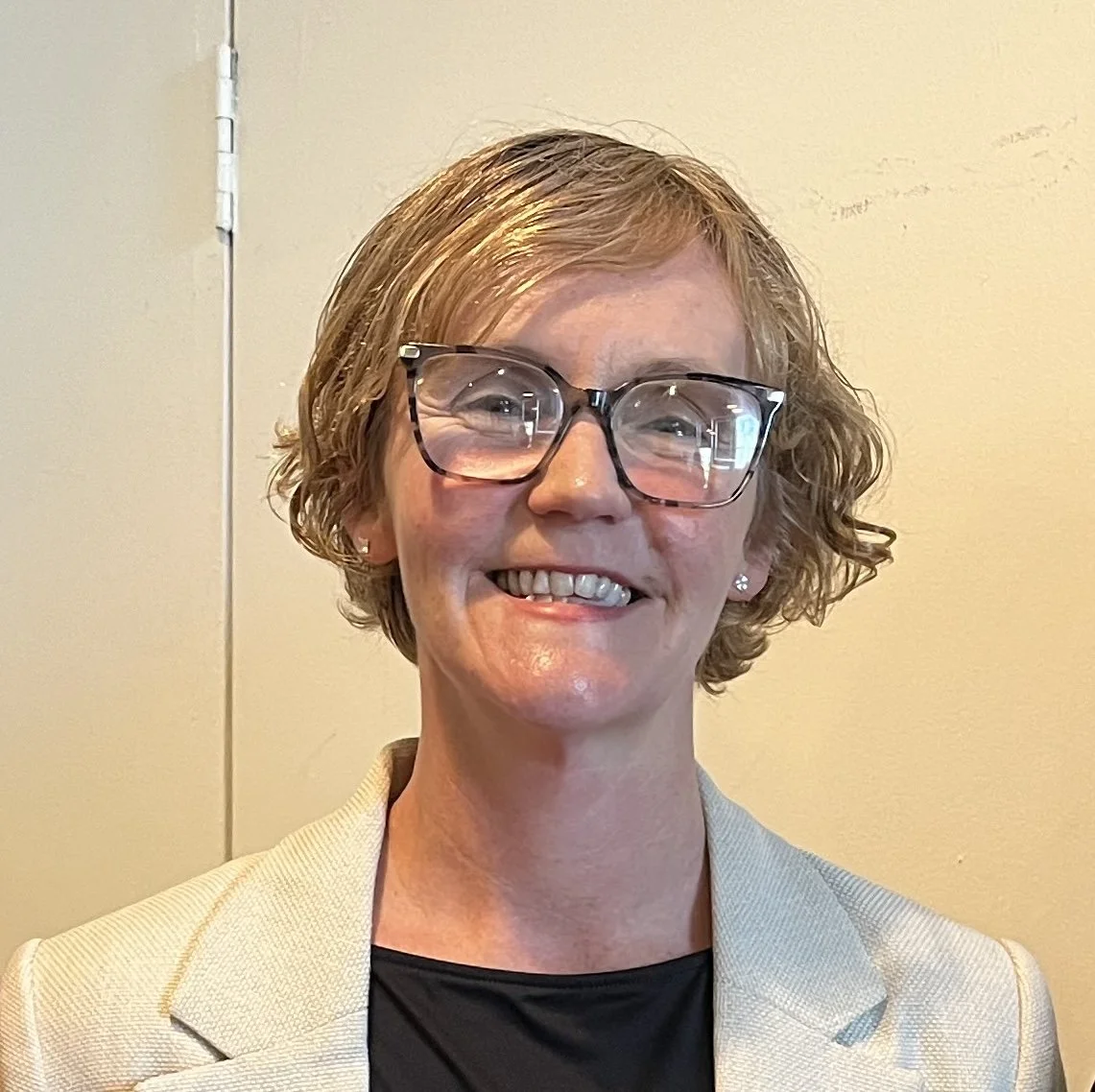
My experience of entering midlife brought with it both an urgency and a slowness. For a while I was swimming against the tide. Believing that the answer to the ageing process and hormonal changes was to run faster, work harder, generate more ideas! Gradually, I allowed myself to notice and reflect on what was happening. I engaged with the wisdom of modern writers like Brene Brown and Tricia Hersey and the midlife perspectives of Carl Jung and James Hollis, and slowly, the fog began to clear. I started to find my way into a quieter, deeper way of living that honours this transitional stage as a time of renewal and growth. This is ongoing work, and at times I still lose my way, but embracing midlife in all its confusion and messiness, has created space for more joy and expansion. It feels like saying a resounding yes to life. Sharing this journey with my dear friend, Karin, and being able to hold space together for others navigating their midlife path, is a deep privilege.
Midlife Reflections - Karin

For me, midlife has been about reunion. An opportunity to return to parts of myself that I thought I had lost. Alongside grief, uncertainty and change, I have found glimpses of what I think of as an old alliance. There is something profoundly moving about picking up forgotten parts of ourselves and saying hello again.
Midlife has invited me to hold different truths at the same time: joy and sadness, freedom and fear, loss and possibility. I'm learning that I don't have to choose between them. They all belong.
Working with my dear friend Alison and holding space where others can reflect on their own midlife is very special.